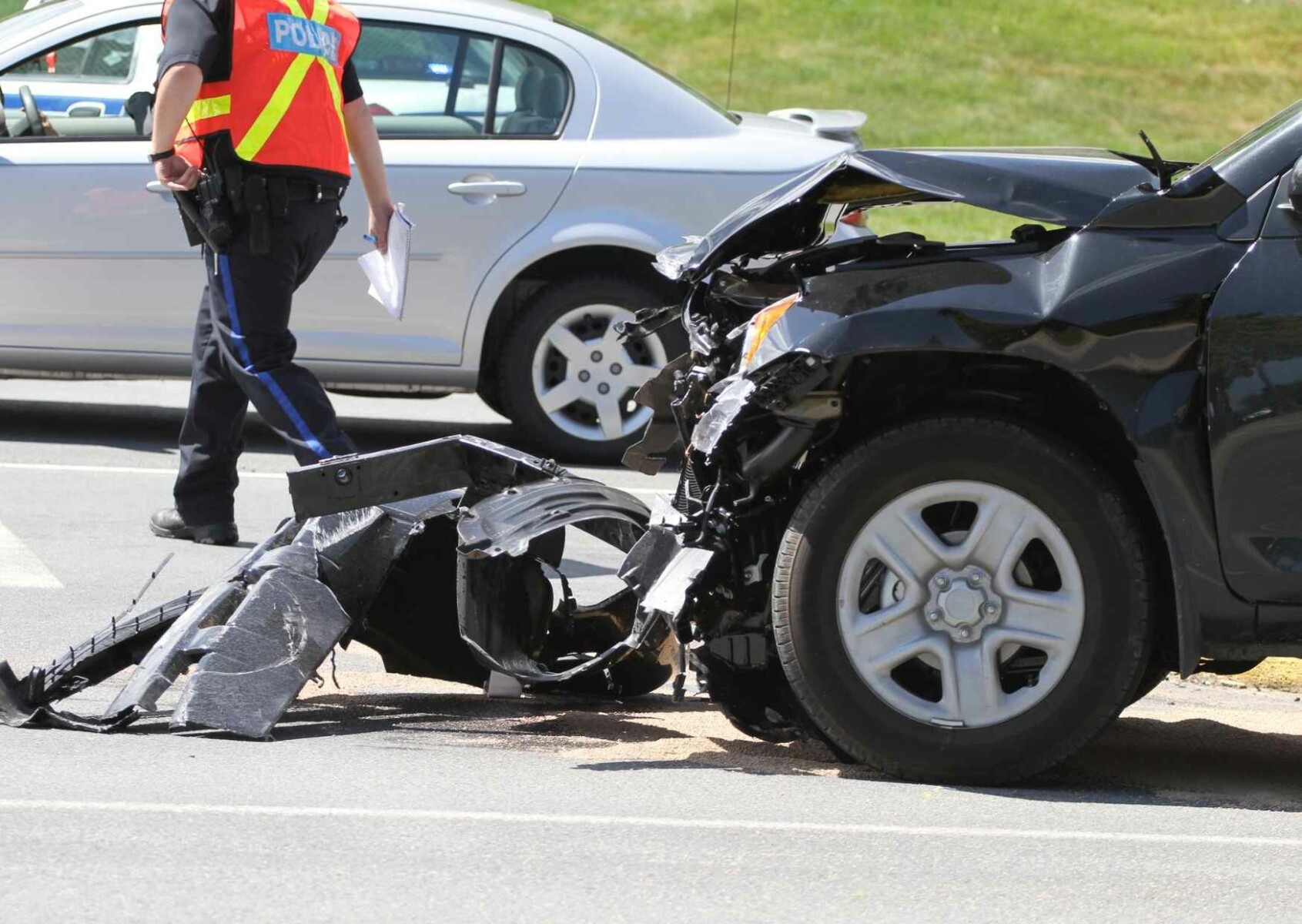
Compensation for a Traffic Accident – A Guide for Victims
A traffic accident can cause not only physical injuries and material damage but also psychological consequences. Compensation for a traffic accident represents financial reimbursement for harm and losses suffered in an accident you did not cause. It is a crucial tool to help victims navigate a difficult period—covering medical expenses, lost income, and alleviating suffering. It is important to actively claim traffic accident compensation so that the victim does not bear the consequences of another’s fault. Fair compensation helps restore normal life and ensures that the victim does not remain in a difficult financial situation due to someone else’s negligence.
Legal Basis for Compensation Claims
The right to compensation for damages following a traffic accident is established in Czech law. The Civil Code states that anyone who causes damage to another person (property or health) must compensate for it. Legal protections provide victims, who are not exclusively at fault, with various forms of reimbursement—primarily under the Civil Code and related regulations.
Crucial is also Act No. 168/1999 Coll., on Vehicle Liability Insurance (so-called compulsory insurance). This law allows a victim’s claims to be satisfied directly from the offender’s insurance. In practice, this means you claim compensation directly from the insurance company of the vehicle that caused the accident, which is usually a faster and simpler route than claiming directly from the at-fault party. With compulsory insurance, you obtain claims from the insurance company without having to rely solely on the perpetrator’s willingness to compensate.
If the traffic accident is part of criminal proceedings (e.g., serious bodily harm or negligent manslaughter), you can also submit your claim for compensation within the criminal proceedings under the Code of Criminal Procedure. However, this is not mandatory—failing to do so does not result in a loss of rights. The victim can therefore choose the faster civil route through the insurer, while criminal proceedings primarily serve to punish the offender.
Who Is Entitled to Compensation
Anyone who suffers harm in a traffic accident without their own fault or primarily due to someone else’s fault is entitled to compensation. Typically, this includes:
- Drivers and passengers not at fault – It does not matter if you were driving your own vehicle or riding as a passenger; if someone else caused the accident, you are entitled to claim compensation from the at-fault party’s liability insurance.
- Pedestrians and cyclists – So-called vulnerable road users are fully entitled to reimbursement for damages suffered.
- Survivors – Family members and close persons of someone who died in an accident. In the worst cases, when death occurs, legal provisions consider the families of victims and allow them to claim compensation for both non-material and material harm. Survivors may receive financial compensation for emotional suffering and other incurred costs.
Compensation may also be claimed if the victim shares some fault in the accident. In such cases, compensation is proportionally reduced according to the victim’s degree of fault. In other words, if you partially contributed to the consequences (e.g., were not wearing a seatbelt), the insurance company may reduce the payout accordingly. The main condition, however, is that you must not be the sole (100%) at-fault party—otherwise, compensation from the offender’s liability insurance does not apply.
What Victims Can Claim
When claiming compensation for a traffic accident, it is important to know all the items you can request. Victims are often entitled to more compensation than they realize. The most common claims include:
- Compensation for bodily injury (pain and permanent consequences) – Pain compensation covers physical pain and partly psychological suffering during recovery. It is awarded for practically every injury, even minor ones. The amount is determined according to a point-based evaluation system for injuries; each injury has a point value, and the value of one point is based on the average wage from the previous year.
- Permanent consequences of the accident – Also called permanent impairment of social functioning, this applies to serious injuries. It is a one-time compensation for permanent health damage, such as limited mobility, sensory impairments, scarring, or other health issues. These consequences significantly affect the victim’s quality of life. Compensation for permanent consequences is often the largest single item and can reach hundreds of thousands to millions of Czech crowns, depending on severity. Proper assessment usually requires an expert report (an expert in non-material damage assesses the extent of the consequences).
- Lost earnings – If the injury prevented you from working, you are entitled to compensation for lost wages during your incapacity. After returning to work, the difference between your average earnings and what you actually received (sick pay, employer compensation) is usually reimbursed by the insurance company if causally related to the accident. Self-employed individuals can also claim lost profit even without official sick leave.
- Medical costs – All expenses related to treatment should be reimbursed, including medication, medical aids, rehabilitation, partially uncovered medical procedures, and doctor’s fees. Keep receipts for medicines, rehabilitation sessions, or equipment purchases (orthopedic devices, crutches, braces).
- Travel costs – Costs of traveling to doctors, rehabilitation, or check-ups. Insurers usually reimburse public transport fares or “amortized kilometers” for personal vehicle use, covering fuel and vehicle wear. Keep records of all trips, dates, routes, and receipts to prove costs.
- Care costs (nursing) – For serious injuries, victims may temporarily be unable to care for themselves. Compensation may cover family care or lost income of caregivers who reduced work hours. Costs are calculated either by hourly rates or per Supreme Court methodology.
- Damage to property – Includes vehicle damage (repaired or total value covered by the offender’s insurer) and personal items such as clothing, shoes, phones, glasses, helmets, or bicycles. Document with photos, receipts, or valuations and claim reimbursement for their current value (depreciation considered for older items).
- Psychological harm and compensation for survivors – Traffic accidents may cause PTSD, driving anxiety, or other psychological issues, which may require proof from a psychologist or psychiatrist. In case of death, close family members (children, parents, spouses, registered partners, siblings, grandchildren) may claim one-time compensation for emotional suffering. Survivors may also claim funeral costs or maintenance compensation if the deceased supported them.
What to Watch Out For
The compensation process can be complex, and victims may make mistakes costing time or money. Common pitfalls include:
- Incomplete documentation – Provide all necessary evidence. Keep receipts, medical reports, and any proof of accident and damages. More documentation is better than less.
- Undervaluing claims – Victims may accept less than they deserve due to inexperience. Insurance companies aim to minimize payouts. Don’t accept an obviously low initial offer.
- Rushing settlement agreements – Avoid signing final agreements before full recovery; some consequences appear later. Consider advance payments and final settlement after stabilization.
- Insurance refusal or reduction – Insurers may deny or reduce claims due to differing damage assessments, policy exclusions, or shared fault. You can request a review, submit additional evidence, or take legal action if needed.
- Statute of limitations – General limitation is three years from learning of the damage and responsible party. File claims promptly to avoid rejection. Filing a lawsuit interrupts the limitation period.
Benefits of Legal Representation
Handling compensation alone can be stressful. Insurance companies are powerful institutions with skilled adjusters and lawyers. A professional lawyer or specialized compensation firm can provide:
- Legal knowledge and procedures – Ensures no claims are missed and arguments are legally sound.
- Maximized compensation – Experts accurately quantify claims, often resulting in higher payouts than self-handled cases.
- Negotiation skills and experience – Lawyers understand insurer tactics and increase chances of fair settlements.
- Time and stress savings – Administration, deadlines, and forms are managed by the lawyer.
- Financial accessibility – Many firms operate on “no win – no fee,” meaning no upfront costs; payment comes from recovered compensation.
Overall, obtaining fair compensation is complex, and consulting experts ensures you do not lose the money you are legally entitled to.
How to Claim Compensation
The process can be divided into steps:
- Report the damage to the at-fault party’s insurer – Ideally within a few days. Provide police or accident report details.
- Gather documentation – Accident records, medical reports, receipts, invoices, proof of lost income, and photos.
- Quantify claims and submit the request – Assign monetary value to all claims, include evidence, and submit a clear request in writing.
- Communicate with the insurer – Respond promptly to requests for additional documents, review their evaluation, and negotiate if necessary. Legal action is an option if fair settlement is refused.
Traffic accidents can turn life upside down, but the law protects victims. If harmed due to someone else’s fault, you are entitled to full compensation—from material losses to physical and psychological harm. Properly documenting and claiming all rights often results in compensation far exceeding the insurer’s initial offer. Don’t hesitate to seek professional advice to ensure you receive what you are legally owed.
Contact Poškozený
📞 By phone: +420 773 014 007
📧 By e-mail: info@poskozeny.cz
🏢 Via the contact form: formuláře